
New virtual tour helps more people explore East Devon Pebblebed Heaths, wherever they are
EDNL
New virtual tour helps more people explore East Devon Pebblebed Heaths, wherever they are

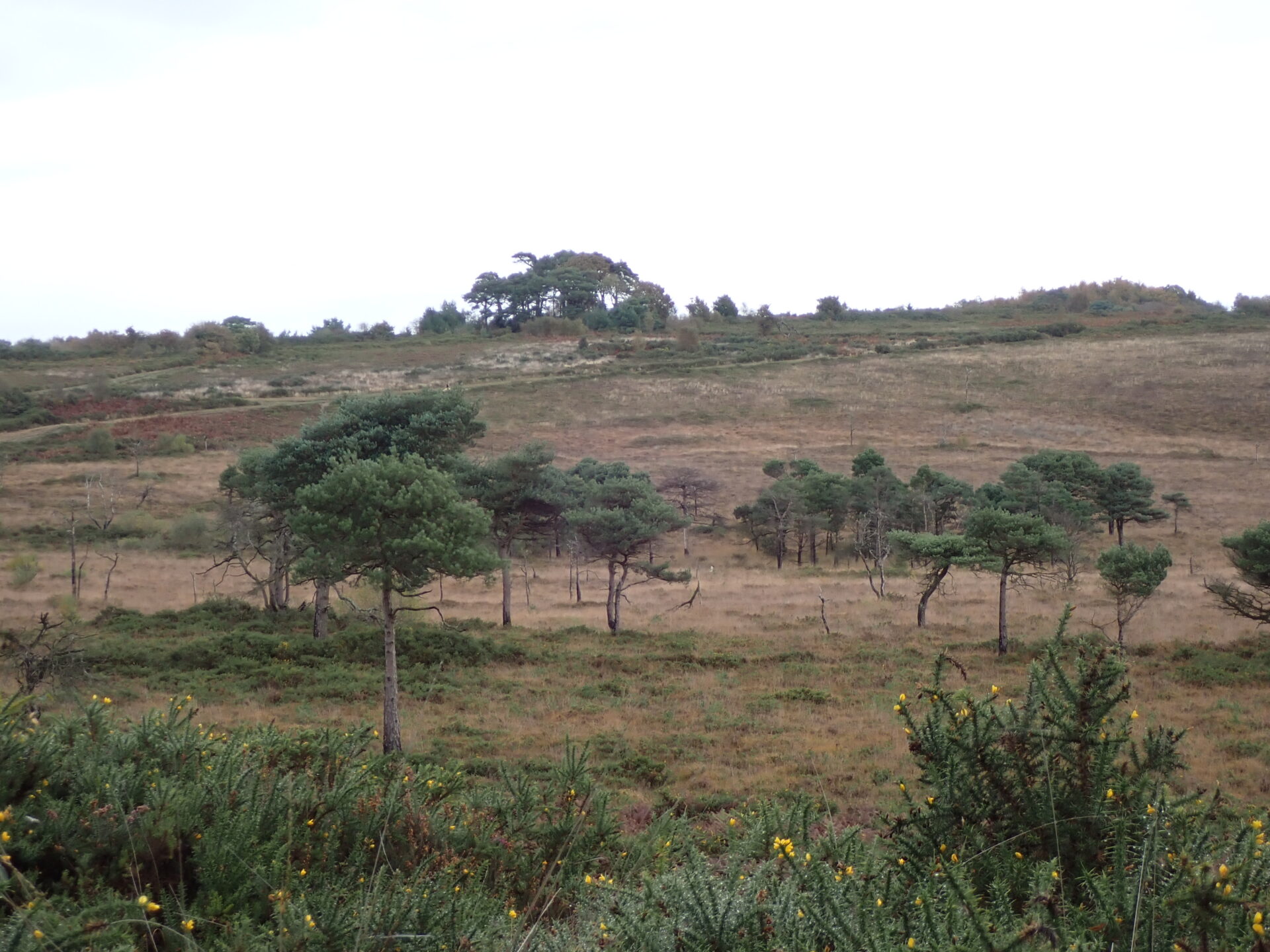
A new virtual tour is giving more people the chance to explore the East Devon Pebblebed Heaths from home, helping people discover this special landscape, particularly those who may face mobility, sensory or confidence barriers.

Funded by East Devon National Landscape, the free online tour has been created by the RSPB, South East Devon Wildlife, Pebblebed Heaths Conservation Trust and Devon Wildlife Trust, with support from The Virtual Tour Experts.

People can use the tour to look around key locations across the heaths, learn about wildlife and heritage, and find practical information to help them plan a visit with more confidence.

The tour has been designed to be easier to use for a wide range of people. It includes British Sign Language (BSL) interpretation, keyboard navigation, audio support, high-contrast viewing options and guided navigation tools.

It also gives schools, colleges and community groups a new way to learn about the heaths’ rare habitats, wildlife, cultural heritage and conservation work.

The accessible virtual tour can be found on South East Devon Wildlife website.

Toby Taylor, Site Manager for RSPB Aylesbeare, said:

“We hope this virtual tour will help more people experience, appreciate and care for the natural environment.”

Steph Aburrow, East Devon National Landscape Project Officer, said:

“The Pebblebed Heaths are an incredibly special place in East Devon. Giving people the tools to experience them responsibly is at the heart of what we do. By expanding virtual tour experiences across the East Devon National Landscape, it’s becoming easier for people to connect with this incredible environment, its wildlife, and its history.”

Sama Euridge, South East Devon Wildlife, said:

“The Pebblebed Heaths are an extraordinary place, rich in wildlife, heritage and natural beauty. The virtual tour helps people explore the heaths before visiting and includes accessibility information for each suggested walk, recognising that everyone’s needs are different.

“Access to nature is important for everyone’s health and wellbeing. By working together, we can make it easier for more people to enjoy and understand these places.”

Lindsey Henderson, The Virtual Tour Experts, said:

“Virtual tours can be a powerful accessibility tool when they are designed well. Our aim is to help people understand, navigate and enjoy places before they arrive, reducing uncertainty and building confidence. We are pleased to work with the project partners to make the remarkable landscapes of the Pebblebed Heaths easier for more people to explore.”

The virtual tour supports South East Devon Wildlife’s work to improve access for visitors while helping to protect sensitive habitats and the rare species that live there.

Find out about other projects

Restoring Our Marine Environment
Restoring Nature Beneath the Waves East Devon’s coastline is home to a wealth of marine habita...
Access For All Case Study: Path Improvements
In 2025 – 2026 the Access for All Fund provided a grant to the East Devon Pebblebed Heaths Conservat...
Parishscapes
Brining the past into the modern day
In the Footsteps of Peter Orlando Hutchinson
Who was Peter Orlando Hutchinson? Born in Winchester in 1810, Peter Orlando Hutchinson was a little ...
Book & Equipment Library
East Devon National Landscape is home to a new resource library, offering practical resources for th...
EDNL Case Study: Mindfulness Trail in Cranbrook
In 2025 – 2026 the East Devon National Landscape Cranbrook Town Council to create a mindfulness trai...
EDNL Case Study: Riparian Mammals
In 2025 – 2026 the East Devon National Landscape Funded Friends of the River Axe to
Access For All Case Study: Beer Beach Matting
In 2025 – 2026 the Access for All Fund provided a grant to East Devon District Council to purchase 1...
FiPL case study: South Combe Farm
The focus of this project is to develop and maintain a quality relationship with the local community...
FiPL Case study: RSPB Flail Collector
The Site Manager for the RSPB applied for a specialist flail collector for use on a variety of sites...
FiPL case study: Orchard Enhancements at Idehill Farm
The focus of this project was to re-instate an historic orchard with traditional heritage fruit vari...
FiPL Case Study: Mikelyns Permissive Footpath
This project has created permissive access over Mikelyns Farm in Farway, providing over 2.1 km of ac...
Access For All Case Study: Seachange
In 2024 – 2025 the Access for All Fund provided a grant to Seachange to purchase a range of mobility...
EDNL Case Study: Exmouth
In 2025 – 2026 the East Devon National Landscape Funded Exmouth Town Council to work with Four of Sw...
EDNL Case Study: Axewoods
Axewoods Co-operative is a not-for-profit volunteer organisation that carries out a range of woodlan...
Bechstein’s Bat
There is a small population of this very rare bat in the East Devon National Landscape, at the edge ...
Grey Long Eared Bat
The Grey long-eared bat needs our help. With UK population estimates as low as 1000, they are our ra...
Devon Whitebeam
A true special species, it can reproduce without fertilisation, creating seeds that are genetic copi...
Small Peal Bordered Fritallary
This fritillary and the Pearl bordered fritillary (PBF) can be difficult to tell apart. They are sim...
Heath Lobelia
Heath Lobelia is an incredibly rare wildflower that was first discovered in 1768 growing on heathlan...
Pearl Bordered Fritillary
Its common name comes from the row of white dots or ‘pearls’ that run along the underside edge of it...
Greater Horseshoe Bat
They use their horeshoe shpaed nose as part of their echolocation system – making tiny calls to navi...
Brown Hairstreak
Males rarely stray from the master tree, but when their main food-source of aphid honeydew is scarce...
Rivers
The East Devon National Landscape is defined by three primary river catchments that flow south from ...
Saving Special Species
Nature is in crisis. We must act fast and decisively if we are to reverse biodiversity loss. That&#8...
Access For All
We are dedicated to improving both the physical and digital infrastructure across our National ...
East Devon National Landscape Fund
Do you have an idea that will make a positive difference to the landscape, wildlife, history and com...
Farming in Protected Landscapes
Supporting the farmers, land managers and people who live and work in the East Devon National Landscape.
Connecting People and Landscapes
Bringing people together to create a countryside ready to face the challenges of climate change.
Connecting Coast and Country
We’re hoping to create three new routes linking the South West Coast Path with the East Devon Way. T...
Nature Calling
This project took place in during summer/Autumn of 2025 and completed in November 2025. East Devon N...
East Devon Farmers Group
The East Devon National Landscape is defined by its rich agricultural heritage, and our local farmer...
East Devon Way
Welcome to the official website for the East Devon Way – your gateway to adventure in the heart of E...