

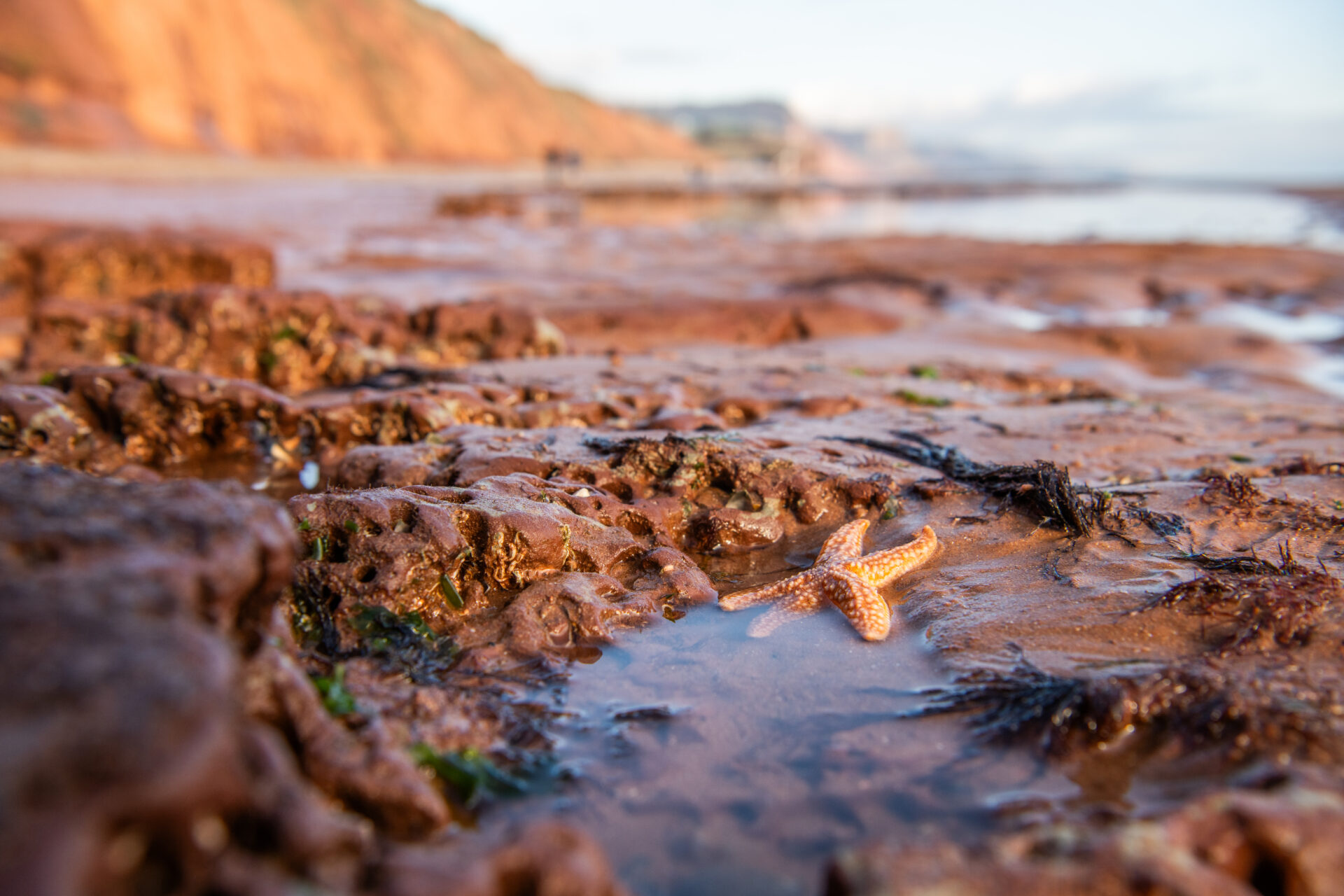
East Devon’s coastline is home to a wealth of marine habitats that support wildlife, improve water quality, protect the coast and help tackle climate change. From saltmarshes to seagrass meadows and kelp beds to oyster reefs, these blue spaces are an important part of our nationally protected landscape.
We are exploring opportunities to restore and enhance these valuable coastal ecosystems for the benefit of both people and nature.
Native Oyster Restoration
Native oysters (Ostrea edulis) were once abundant around the UK’s coastline, forming reefs that provided habitat for marine life and naturally filtered seawater. However, populations have declined dramatically due to overfishing, habitat loss, disease and pollution.
We are undertaking a study to explore whether native oysters could be reintroduced to East Devon’s coastal waters and estuaries. The project will assess;
- habitat suitability
- water quality
- historical records
- potential restoration sites
This will help us to understand whether oyster recovery could play a role in local nature recovery, improving water quality, supporting thriving communities, reducing coastal erosion and potentially storing carbon.
Did you know? A single native oyster can filter up to 200 litres of seawater each day. By removing particles from the water column, oyster reefs help improve water quality, increase water clarity and create healthier conditions for marine plants and animals (and us!).
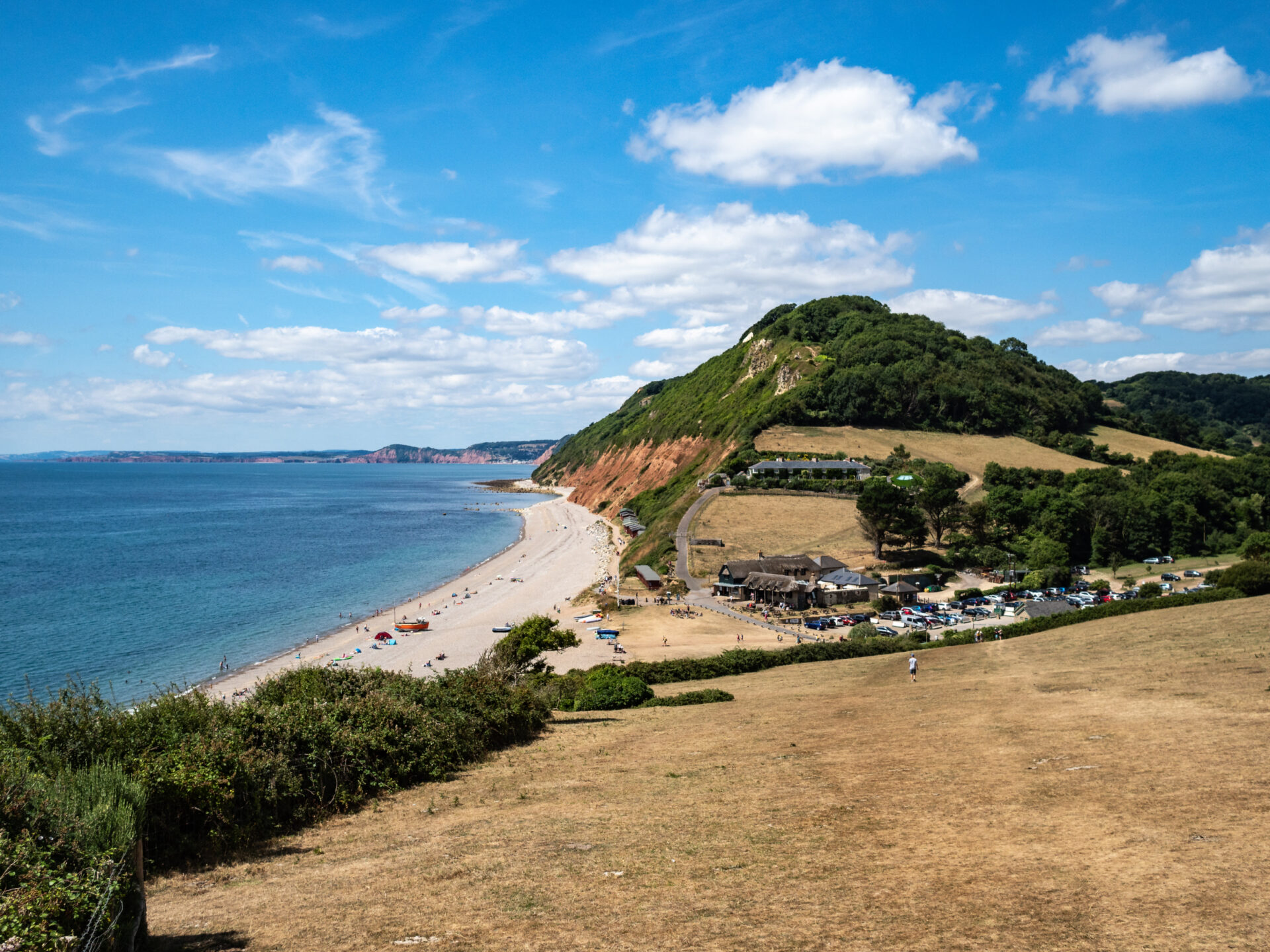
Blue Carbon Habitats
Our Blue Carbon Project is investigating the extent, condition and restoration potential of these habitats along the East Devon coast. The findings will help identify opportunities to protect existing habitats and guide future restoration work where it can deliver the greatest benefits for nature, climate and coastal resilience.
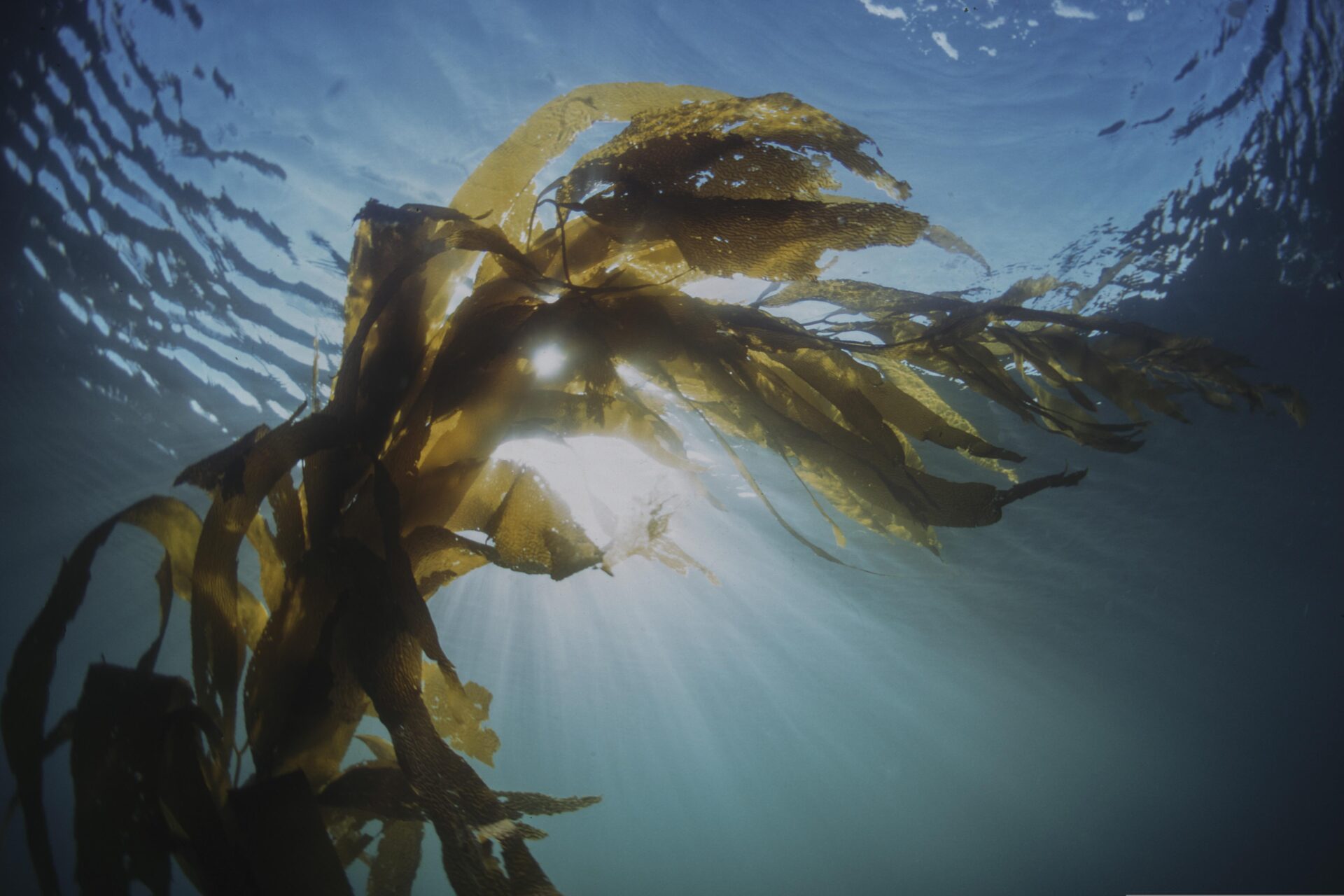
Healthy marine habitats do more than support wildlife. They also capture and store carbon, helping to address climate change. These habitats, known as “blue carbon” ecosystems, include seagrass meadows, saltmarshes and kelp forests. This topic is very much in it’s infancy so this project will be advancing what is currently known.
Did you know? Seagrass meadows can capture carbon up to 35 times faster than tropical rainforests, while also providing important nursery habitat for fish, seahorses and other marine wildlife.
Looking to the Future
These projects are helping us build a better understanding of East Devon’s marine environment and identify opportunities for long-term recovery. By working with partners, researchers and local communities, we aim to support thriving seas that benefit wildlife, help tackle climate change and strengthen the connection between people and our coast.
Together, we can help restore nature both above and below the waterline.
Frequently Asked Questions
What benefits will local communities see?
If we move into successful delivery, healthy marine habitats can improve water quality along our coast, support wildlife, strengthen the resilience of our coast and provide opportunities for education, research and community involvement.
Why is East Devon National Landscape involved in marine projects?
East Devon National Landscape is often associated with the stunning countryside, wildlife and heritage of our protected landscape. However, our designation also includes the coastline and is directly influenced by the health of the surrounding marine environment.
The land and sea are closely connected. What happens on the land affects our rivers, estuaries and coastal waters through runoff, erosion and water quality. Equally, healthy marine ecosystems support coastal biodiversity, fisheries, tourism, climate resilience and the landscapes that people value and enjoy. Restoring nature therefore requires us to look beyond the shoreline and take a joined-up approach to managing both land and sea.
Why are we investing in marine projects when there is still work to do on land?
The coast, estuaries and sea are an important part of East Devon National Landscape, and healthy marine habitats support wildlife, water quality and climate resilience.
These projects complement our work on land, including habitat restoration, access improvements and nature recovery.
Importantly, the funding for these marine projects is additional funding secured so it does not reduce funding for land-based projects, but brings new investment into East Devon to support nature recovery both on land and at sea.
Which areas are being studied?
Our projects cover the coastline up to 6 miles out to sea and estuaries between Lyme Bay and the Exe Estuary, including the Axe, Sid, Otter and Exe estuaries.
How can local people get involved?
The current stage is an exploratory desk based study. Key regulatory landowners and users will be consulted between September 2026 and March 2027 to identify potential areas.
As projects develop, there may be opportunities to take part in surveys, citizen science, events and community engagement activities. Updates will be shared through the East Devon National Landscape website and social media channels.
Will these projects affect fishing, boating or other recreational activities?
The current projects are desk based exploratory studies and will not result in any immediate changes to how people access or use the coast. Any future proposals would be developed in partnership with local communities, stakeholders and regulators.
Who is delivering the projects?
East Devon National Landscape is working with specialist marine consultants (ARC Marine, The Oyster Restoration Company), researchers (Nature Based Solutions lead at University of Derby) and partner organisations to gather evidence and explore future opportunities for marine nature recovery.