Projects


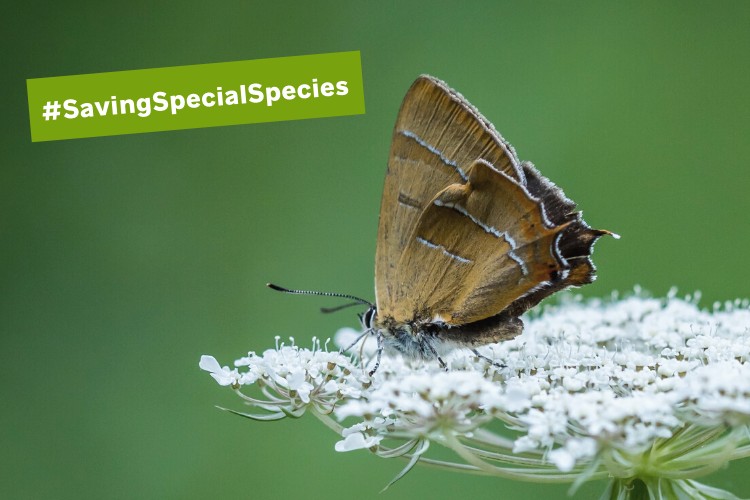
Brown Hairstreak
Rare and beautiful spending most of their time high in the tops of ash ‘master’ trees.
Brown Hairstreak
Rare and beautiful spending most of their time high in the tops of ash ‘master’ trees.
Brown Hairstreak
Rare and beautiful spending most of their time high in the tops of ash ‘master’ trees.
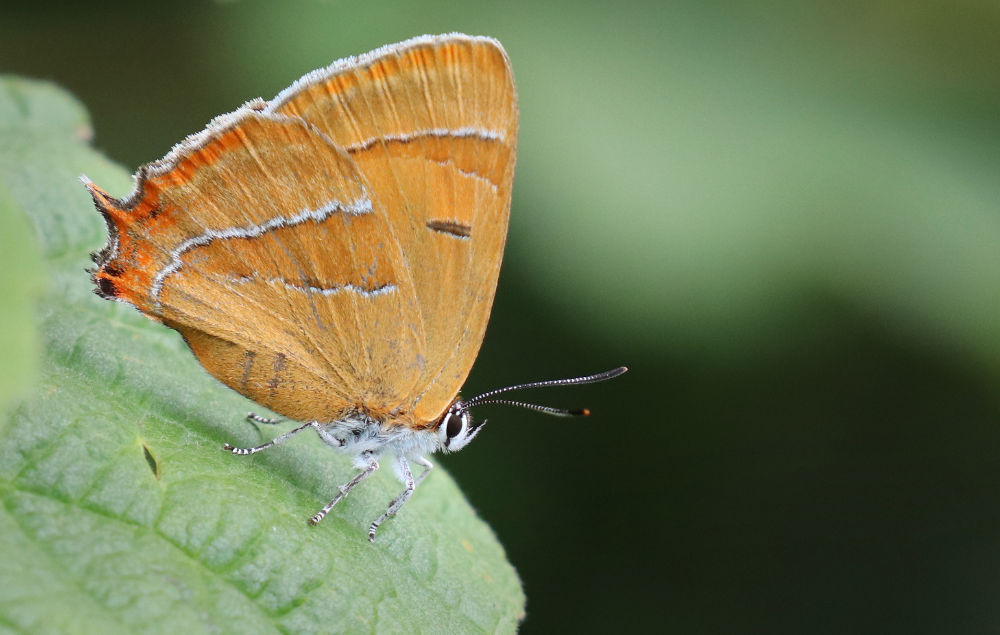
Males rarely stray from the master tree, but when their main food-source of aphid honeydew is scarce, they will sometimes feed lower down on plants such as Hemp Agrimony, Common Fleabane and Ragwort.
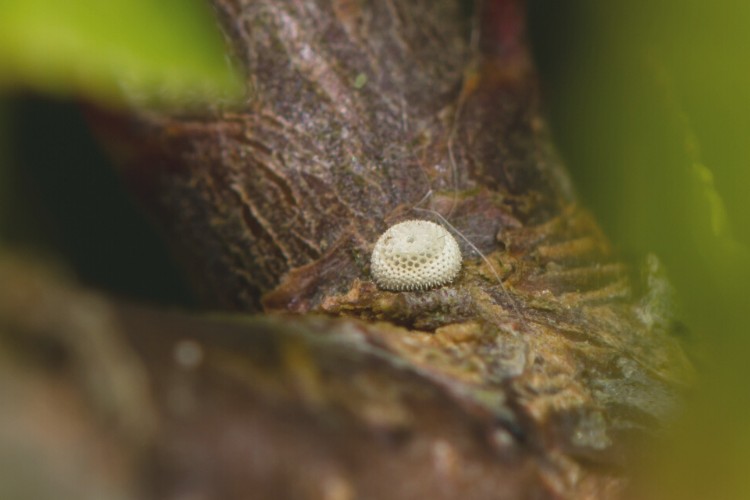
Females, with their bright burst of orange on the forewings, are seen more frequently when they leave the master tree to lay their eggs – which look like tiny sea urchins.
Adult butterflies congregate on ‘master’ or ‘assembly’ trees – where they can find food, shelter, and a mate.
Why are they in trouble?
The loss of hedgerows and woodland from our landscape is the biggest threat to the brown hairstreak and the reason for its severe decline.
Blackthorn hedges are essential – eggs are laid in the young shoots and the leaves are the sole food source for caterpillars; patches of broadleaved woods are important too. As hedgerows disappear, so does crucial habitat.
Where hedges remain, annual flailing – the mechanical cutting back of hedges – can cause just as much harm and can destroy populations altogether.
Since 1945, the hedgerows lost in the UK is at
How will we help this special species?
We work with Butterfly Conservation to organise training opportunities and support volunteers to conduct egg surveys that will help us to identify where existing brown hairstreak colonies exist – and concentrate our conservation work in the right places. Through repeat surveys in the same places, we can keep a check on how well the species are doing.
We aim to make the populations we know about more robust by:
- Identifying opportunities for habitat enhancement.
- Working 1:1 with landowners to raise awareness and promote sensitive hedgerow management.
- Organising events to help raise awareness and facilitate support for the brown hairstreak.
- Conducting further surveys to monitor progress/status.
We are actively looking for volunteers to support the surveying. If you think you might want to help then please get in touch.